How (and Why) You Should Start Preserving Seasonal Produce
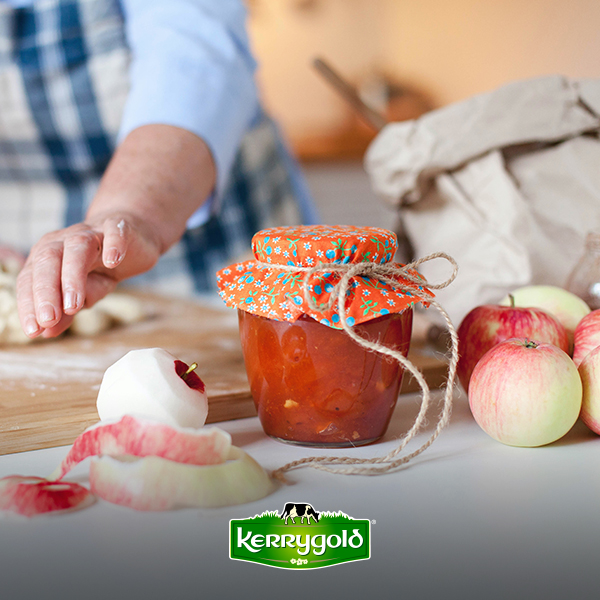
The thought of preserves brings back special memories of standing in granny’s kitchen and watching as she slowly turned fresh gooseberries into a crimson red jam. But preserving isn’t (and shouldn’t) only be reserved for senior generations or ambitious homemakers. It’s something fun and easy that every home cook can (and should) try! Read on to discover how and why you should start preserving in-season produce.
Why you should start preserving…
- Take control of the ingredients
It’s no secret that store-bought pickles and jams are loaded with added sugars and salts. By making your own, you can take back control over the ingredients that are used. It’ll also give you the chance to experiment with different ingredients and new flavour combinations. There are many exciting and easy recipes to follow online.
- Eat seasonal all year long
Have you ever craved some luscious strawberries or juicy summer peaches in the middle of winter? By preserving one season’s fresh bounty, you can save it to enjoy throughout every other season of the year. While many supermarkets do stock out-of-season produce, it isn’t nearly as delicious or nutritious.
- Reduce your food waste
Did you know that a third of the world’s food is wasted each year? All of us have an important part to play in reducing this staggering statistic – and preserving any surplus seasonal fruit and veggies is a great place to start. Similarly, preserving is a great way to ensure that your fresh garden harvest doesn’t go to waste.
- Learn a new skill in the kitchen
Knowing how to pickle, can and preserve is an awesome skillset every home cook should have. Just think how impressed your tea-time guests will be when you reveal that you made the delicious jam on top of those warm buttery scones from scratch.
- Give great homemade gifts
There are many special occasions throughout the year and each one calls for a special gift. And what better gift than something that’s been handmade with love? Small jars of jams and pickles make great gifts and will also save you tons of shopping time.
How to start preserving…
The best way to preserve in-season produce is to make your own fruity jams and pickled veggies. Here are some handy tips to get started.
- Decide on a preservation method
Two popular preservation methods are pickling and canning. Pickling is usually done by preserving and storing fresh produce in an acidic solution made with vinegar, salt, sugar, and select herbs and spices. Canning involves processing, cooking, and sealing food as is in an airtight container. While canning is perfect for preserving fruits such as peaches, pears, plums, oranges, and other citrus fruits, pickling is ideal for veggies like cucumbers, asparagus, bell peppers, carrots, onions, and so much more.
- Gather everything you’ll need
You don’t need as many new gadgets and equipment as you might think. In fact, some are probably in your kitchen already! Here’s a list of common supplies you will need:
- A set of glass canning jars (with rims and lids)
- Two large pots – one for cooking the food that you will be canning, and one for boiling your canning jars. Note: A rack should go at the bottom of the latter pot to prevent your jars from resting directly on the bottom of the pot, where they can crack open.
- Canning jar lifter – to safely remove your canning jars from the boiling water.
- A wide funnel – to fill your jars with ease
- A stir stick or chopstick – to remove any air bubbles before sealing your filled jars.
- Other cooking utensils such as sharp knives, wooden spoons, slotted spoons, ladles, strainers, oven mittens and lots of clean towels.
- Follow a tested recipe
It’s super important to follow a tested recipe from a reputable source. This will help ensure that your creation is as safe and tasty as possible. Only once you become more seasoned at preserving, should you get more creative with the recipes.
- Give them a hot bath
Always boil your canning jars in a hot water bath after they’ve been filled to kill off any dangerous bacteria. The length of the bath depends on the type of food in the jar, and your tested recipe should specify this.
- Label, label, label
While most canned foods have a shelf life of a year or longer, you probably won’t want to eat a 20-year-old can of pickles down the line. So, take care to label your jars with what they contain as well as the date they were made.
- Enjoy!
As fun as pickling and cannoning may be, the best part of the entire preserving process is getting to taste the end product. Whether you eat your pickled cucumbers straight from the jar or as part of a delicious dish, there are so many wonderful ways to savour your preserved creations. This recipe for Salmon Rillettes with a Pickled Cucumber Salad is one of our personal favourites. Go give it a try and enjoy!
 You Should Start Preserving Seasonal Produce)